


Latest Products
We keep on updating and iterating our products, optimizing the structural design and creating a more scientific and reliable slewing drive device.
-
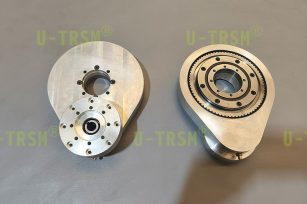
 Lightweight design and performance of U-TR...
In the field of high speed automated mechanical equipment, the performance and light weight of the core drive compone...
Detailed instructions Send mail -
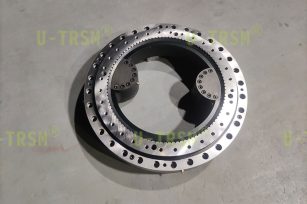 Analysis of lightweight double gear slew d...
Core Design Advantages In response to the core demands of limited installation space for automated rotating pl...
Detailed instructions Send mail -
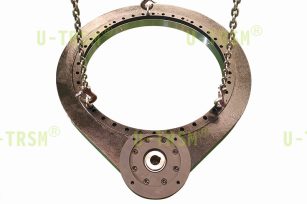 Selection and characteristics of slewing d...
This slewing drive is used in automated mixing equipment. The customer requires that it rotate in the same direction ...
Detailed instructions Send mail -
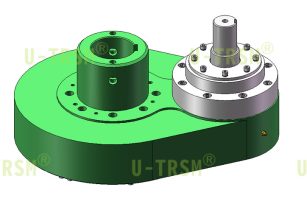 Analysis of the high speed rotating double...
This double row ball gear type slew drive is used in automation equipment. The customer requires ultra-high speed ope...
Detailed instructions Send mail
How to choose a slewing drive with suitable accuracy level for equipment?
Publish time:2023/03/26 News Views:336
In the slewing drive design, in order to fit different working conditions and different applications, we will choose different accuracy levels, mainly reflected in what we often call the tooth backlash value. So how can we choose a rotary drive with the right level of accuracy for our equipment? So how can we choose a slewing drive with the suitable accuracy level for equipment?
To figure this out, first we need to understand that in the slewing drive, gears and rings are the main components to transmit motion and power, and the backlash value mainly depends on the adjustment of these two components. The engineers of Unique Transmission will design the slewing drives according to the working conditions and other performance parameters provided by the customer, in accordance with the following points:
1.Max power capacity
2.Min size
3.Min noise (quiet operation)
4.Rotation demand (position)
The engineers of Unique Transmission calculate and determine the accuracy level of one of them according to the usage requirements of the gear transmission, and then determine the accuracy level of other usage requirements according to the requirements of other aspects. After comparing previous product designs, performance tests, experience accumulated during use, and references on gear accuracy levels, the designed gears are compared in terms of usage, operating conditions and technical performance before the required accuracy level can be finally determined.
Unique Transmission design engineers have summarized the operating conditions used for the following three accuracy levels of gears.
1. Grade 6 tooth accuracy: use gears that require high speed and smooth rotation, and have high efficiency and low noise, and indexing requirements.
2. Grade 7 tooth accuracy: for high speed, small load, and reversing gears. Gears that need to have motion fit, medium speed reducer gears.
3. Grade 8 tooth accuracy: no special requirements for accuracy, generally with mechanical gears and ordinary reducer gears.
- Spur gear slew drive housings adopt spray ...
- What are the commonly used types of slewin...
- How to choose the roller length of the thr...
- What is the core turning component of the ...
- The difference between spur gear slewing b...
- Technical analysis of slewing bearing mate...
- Introducing helical gears with different h...
- How to reduce the slewing bearing gear noise?